
Understanding Your Plumbing Needs
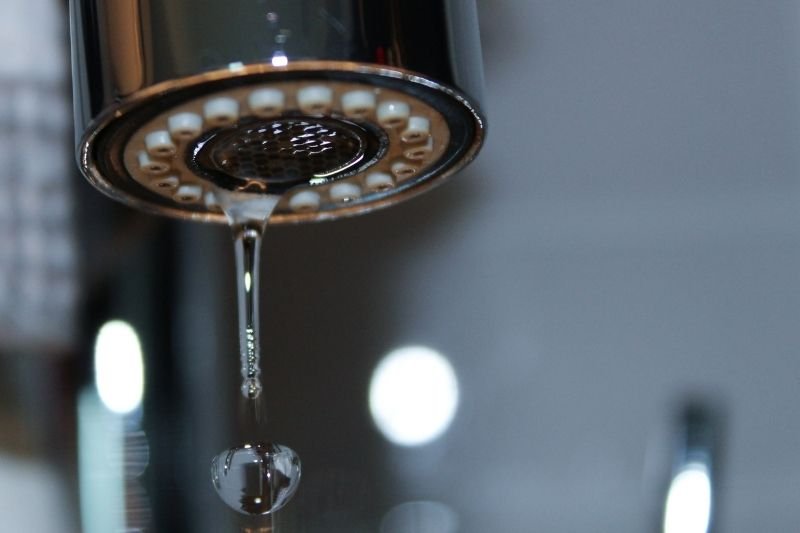
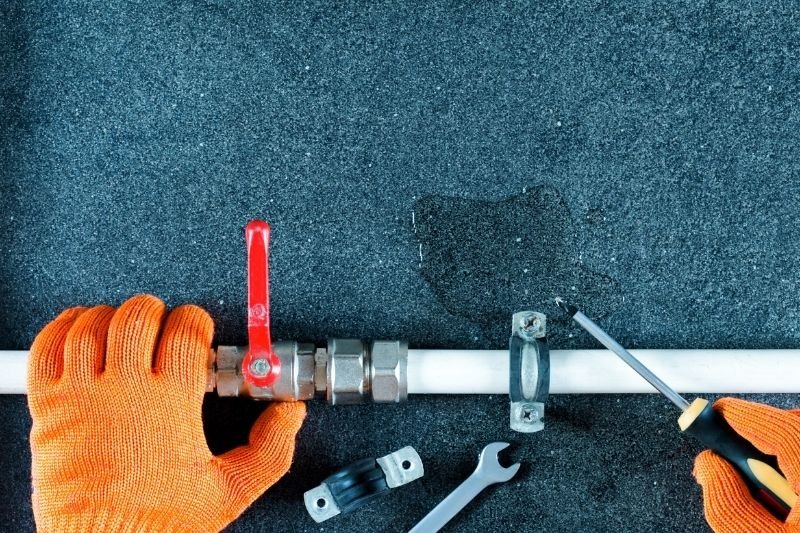
When faced with plumbing issues, it is crucial to first identify the specific problems at hand, as a clear understanding of your plumbing needs will help guide you in selecting the right professional plumber. Common household plumbing problems include leaky faucets, which can lead to water waste and increased bills, clogged drains that impair day-to-day operations, and burst pipes which can cause significant property damage. Each of these issues typically requires distinct approaches and solutions, necessitating different types of plumbers.
In some cases, the issues may appear simple yet can be symptomatic of more complex underlying problems. For example, frequent clogs may indicate deeper sewer line issues. Therefore, thorough problem diagnosis is essential. Homeowners should consider enlisting the services of a licensed plumber who can evaluate both the immediate problem and any potential secondary concerns, ensuring that comprehensive solutions are put in place.
In addition to identifying the problem type, understanding the qualifications and specialties of plumbers can greatly influence the effectiveness of the repairs. Some plumbers specialize in residential services, while others may focus on commercial plumbing or certain types of installations, such as tankless water heaters. Knowing the type of plumber that best fits your needs can streamline the hiring process.
Furthermore, assessing the urgency of the plumbing issue is critical. While a leaky faucet may not require immediate attention, a burst pipe necessitates prompt action to mitigate damage. Evaluating the severity of your plumbing needs ensures that you contact a plumber perfectly suited for the task at hand, ultimately promoting efficient repair and maintenance of your plumbing system.
Researching Potential Plumbers
When embarking on a plumbing project, the first step in ensuring you choose the right plumber is to conduct thorough research. Start by gathering recommendations from trusted sources such as friends, family, and colleagues. Personal testimonials can provide insights into the quality of work and reliability of various plumbers. Additionally, leveraging online platforms for reviews can yield a wealth of information. Websites like Yelp, Google Reviews, and Angie’s List allow customers to share their experiences, giving you a clearer picture of each candidate’s capabilities.
Once you have compiled a shortlist of potential plumbers, it is crucial to verify their qualifications. Begin by checking for required licenses and certifications. Most states require plumbers to have a license, which ensures that they have met specific professional standards. Additionally, ask about insurance coverage—this protects both you and the plumber in the event of an accident or damage that may occur during the job. Verification of these credentials offers peace of mind that you are hiring a qualified professional.
Local resources can also aid in your search for competent plumbers. Websites such as the Better Business Bureau (BBB) can provide insights into a plumber’s reputation and history of customer complaints, which can be invaluable in making your decision. Before finalizing a plumber, compile a list of questions to clarify aspects such as their experience with similar projects, availability, and pricing structure. Engaging in a dialogue with prospective plumbers can further help you gauge their professionalism and expertise.
In conclusion, meticulous research is an essential step in finding the right plumber for your needs. By gathering recommendations, checking qualifications, and asking pertinent questions, you ensure that the plumbing professional you choose is well-equipped to handle your project efficiently and effectively.
Evaluating Quotes and Services Offered
When selecting the right plumber, evaluating quotes and understanding the services offered is of paramount importance. Different plumbing companies adopt varying pricing structures, primarily categorized into flat-rate pricing and hourly rates. Flat-rate pricing entails a set fee for specific services, allowing customers to know in advance how much they will pay. This structure can be beneficial for budgeting purposes, especially for predictably defined tasks such as installations or repairs. On the other hand, hourly rates charge customers based on the actual time spent on the job. This method can be advantageous when the scope of work is less defined, but it is also crucial to consider the potential for costs to escalate if the job takes longer than expected.
Several factors can influence the cost of plumbing services, including the complexity of the job, the materials required, and the plumber’s expertise and reputation. Therefore, understanding these variables can help you make an informed decision, especially when comparing quotes from different plumbers. It is wise to request a detailed breakdown of the quote to identify potential hidden fees and to promote transparency. A comprehensive quote should outline labor charges, materials, travel times, and any additional costs that may arise during the service.
Moreover, it is essential to inquire about any guarantees or warranties that plumbers offer on their work. A reputable plumber should provide clear terms regarding the warranty, which assures you that your investment is protected. This assurance is vital, as it provides peace of mind knowing that any necessary repairs or adjustments will be covered without incurring additional costs. Ultimately, the right choice will not only depend on the quotes themselves but also on the terms and services that accompany them, ensuring a fair value for quality service.
Building a Long-Term Relationship with Your Plumber
Building a long-term relationship with a trusted plumber can be immensely beneficial for homeowners and businesses alike. Having a reliable plumber on speed dial not only provides peace of mind but can also save you time and stress in crisis situations. When plumbing emergencies arise, you will feel more confident and secure knowing you have a professional who understands your system and has already established trust.
One of the significant advantages of maintaining a consistent relationship with your plumber is the opportunity for regular maintenance check-ups. Scheduled visits can help identify potential issues before they escalate into costly repairs. Your plumber can monitor wear and tear on fixtures and pipes, providing insights that can lead to proactive measures, ensuring your plumbing system operates efficiently.
Effective communication plays a vital role in fostering this relationship. It is essential to clearly express your concerns or goals regarding your plumbing system. Whether you require remodeling work, routine maintenance, or emergency repairs, articulating your expectations allows the plumber to serve you better. Through open dialogue, you can discuss timelines, costs, and the level of service you anticipate, creating a transparent working relationship.
Moreover, loyalty and consistency towards your plumber can often lead to improved service quality and potentially reduced costs over time. Many plumbing professionals offer discounts or priority service to long-standing clients, which can be a significant advantage as plumbing issues can arise unexpectedly. Therefore, by investing in maintaining this relationship, you not only ensure quality service but may also manage expenses more effectively.
In conclusion, developing a long-term relationship with a reliable plumber is both a strategic and beneficial approach. By prioritizing open communication and loyalty, you can enhance your plumbing services and ensure a well-maintained system, ultimately simplifying your home maintenance experience.